

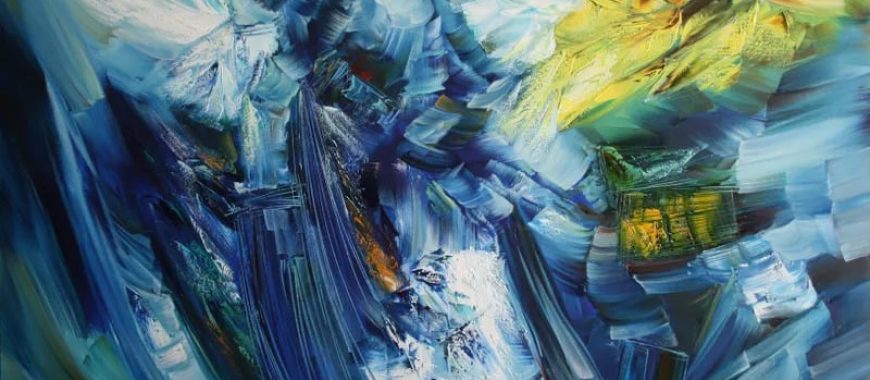
A painting may be still, but rarely it feels static. Through sweeping brushstrokes, repeated forms, a change in colour, or expressive gestures, artists can create the impression of movement and motion that continues after the paint has finished drying.
Some pieces capture motion through the body or through bold marks of paint. Others suggest it through the natural world, as water, wind, and light are constantly changing. In abstract works, movement can appear through rhythm and repetition, allowing colour and shape to guide the viewer’s eye across the surface.
Together, these paintings show how motion can take many forms. It may appear energetic and loud, quiet and atmospheric, or rhythmic and patterned. In each case, the work invites the viewer to follow its movement rather than simply observe it.
Gesture and Momentum
In many paintings, movement begins with the gesture of paint itself. Bold strokes, layered colours, and expressive marks create the feeling that the image is moving and unfolding. The surface becomes a record of motion, where each brushstroke suggests direction, speed, or impact.
Sweeping lines can pull the eye upward or across the canvas, while bursts of colour create moments of visual energy. When these gestures repeat or overlap, they create rhythm and intensity. The viewer experiences the painting almost physically, tracing the movements that built the composition.
These works capture motion not by depicting a subject in action but by preserving the energy of the artist’s own movement across the surface.
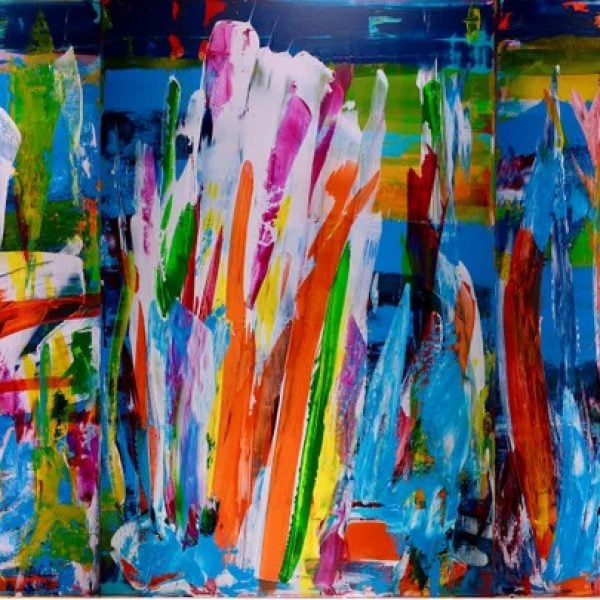
Competing for the Sun / Triptych by Nestor Toro
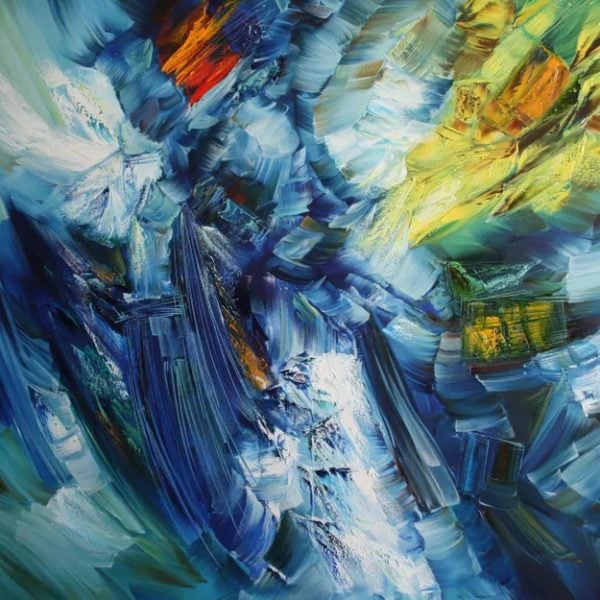
The Body in Motion
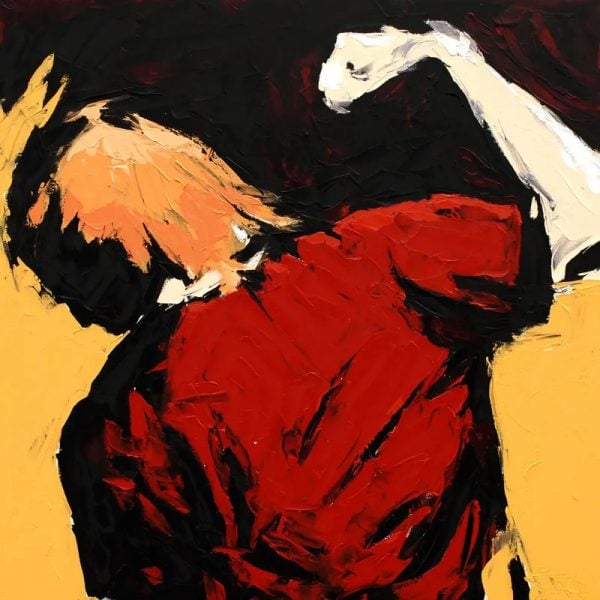
Some of the most immediate expressions of movement come from the human body. Gesture, posture, and balance can capture the exact moment between stillness and action.
Artists often focus on the extension of limbs, the curve of the spine, or the tension within a pose. These details suggest motion that continues beyond the frame. The viewer senses that the figure has just moved or is about to move again.
Through expressive brushwork and strong contrasts, these paintings convey both physical energy and emotional intensity. The body becomes a powerful symbol of motion, strength, and rhythm.
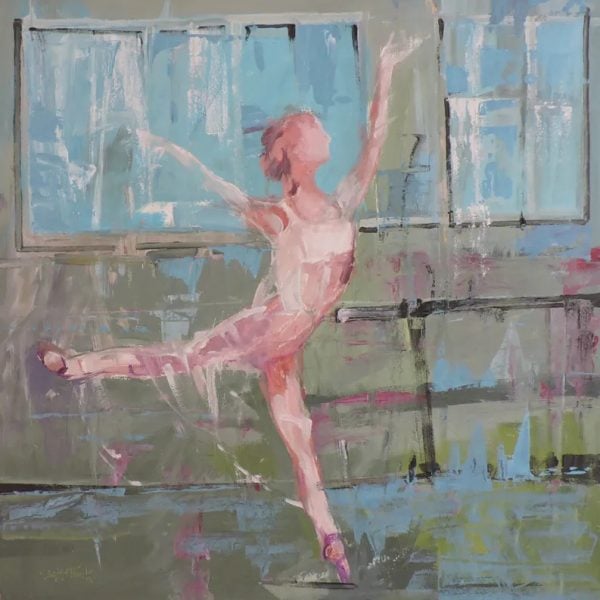
Ballet III by Richard Szkutnik
Rhythm Through Pattern
Movement can also appear through repetition. When shapes, lines, or colours echo across a painting, they create visual rhythm that guides the eye from one area to another.
Patterns can twist, spiral, or ripple across the surface, producing the sensation of flow or rotation. Even subtle variations between repeated forms can create momentum, allowing the composition to feel alive and evolving.
These paintings rely on structure and rhythm rather than dramatic gestures. The viewer follows the patterns almost instinctively, experiencing movement through gradual progression rather than sudden bursts of energy.
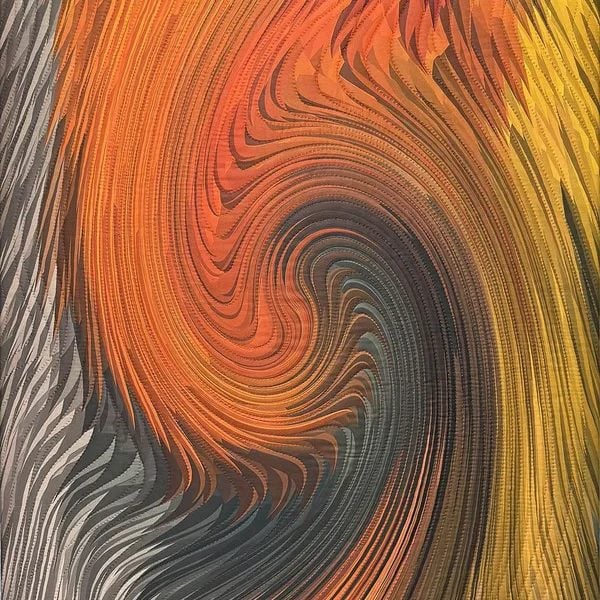
The Geometer’s Hand 3 by Marilyn Henrion
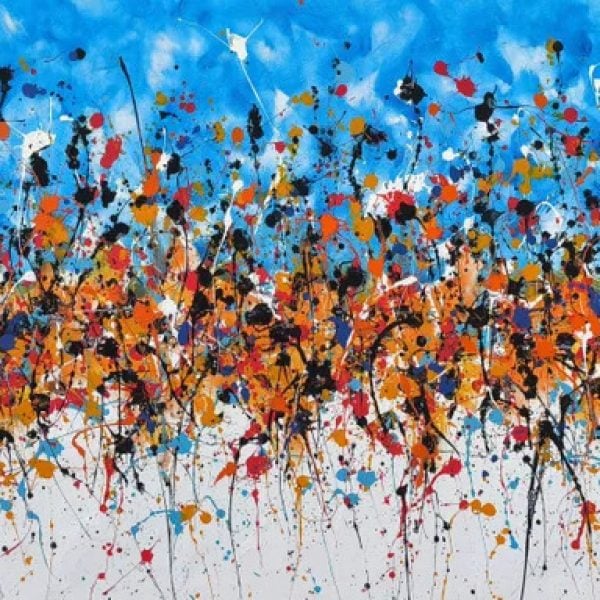
Summer Flowers 2 by M.Y. by Max Yaskin
Motion in the Landscape
The natural world provides endless examples of movement. Waves break against rocks, clouds travel across mountains, and light shifts constantly across land and water. Artists often capture this motion through rhythm, texture, and atmosphere.
Water, in particular, offers a powerful sense of continuous motion. Repeating shapes and shifting tones create the impression of waves rising and falling, while rocky coastlines and distant horizons give structure to the scene.
Even landscapes that appear calm can contain subtle motion. Changing light, drifting clouds, and layered terrain suggest that the environment is always evolving, even when the moment feels quiet and still.
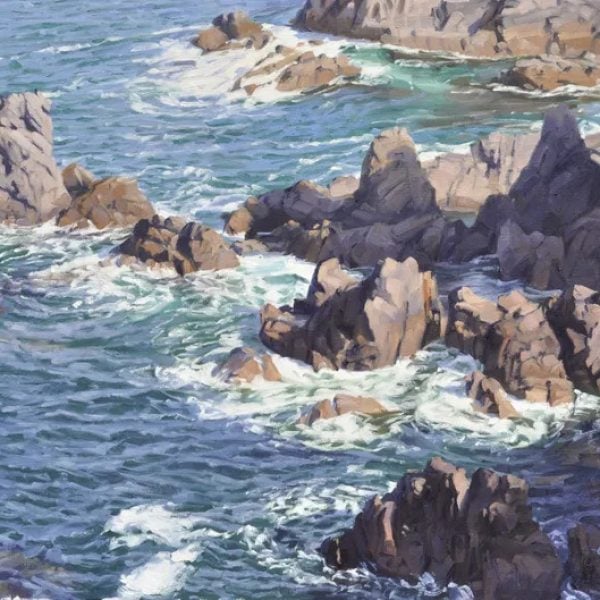
Brittany, rocks by Anne Baudequin
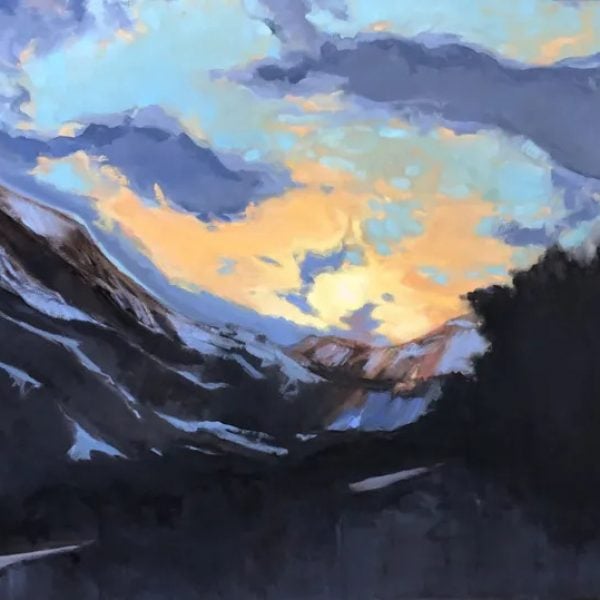
Mountain view by Stella Burggraaf
Bringing Motion Into Your Space
Art that captures movement can bring a strong sense of energy into a space. Flowing compositions guide the eye across the room, while expressive gestures and rhythmic patterns keep the artwork visually engaging over time. These pieces feel alive, revealing new details with each viewing.
Explore dynamic and expressive works at Zatista to discover paintings that capture rhythm, energy, and motion, and bring that sense of movement into your home.
Comments (0)